Brand & Identity
Brand Identity, Packaging and Merch: One System
Build one recognizable brand system that works from a product screen to a physical package.
The short answer
Create brand identity, packaging and merchandise as one adaptable system, beginning with audience, positioning and recognizable principles. Define a core identity that remains clear at small sizes, in one color and across digital and physical production. Test it on real product information and materials before finalizing guidelines, then supply master assets, production specifications and usage rules the team can apply without constant interpretation.
Key takeaways
- Let positioning and creative principles lead visual decisions.
- Test the identity under real digital and production constraints.
- Treat packaging information and supplier requirements as design inputs.
- Deliver maintained assets and usable guidance, not only showcase mockups.
Start with positioning rather than the logo
Clarify who the brand serves, the problem it is chosen to solve, the alternatives customers consider and the character it should consistently express. Review competitors to understand category conventions and find a credible distinction, not to imitate their visual language.
Translate strategy into a small set of creative principles that can guide copy, image, motion and physical design. Principles are more useful than vague adjectives when teams must decide whether a new application belongs to the brand.
- Audience and decision context
- Value proposition and credible difference
- Brand voice and behavioral principles
- Category conventions to use or challenge
Build a flexible core visual identity
Develop logo configurations, typography, color, composition, imagery and graphic devices as related parts. Test technical essentials such as small sizes, one-color reproduction, dark and light backgrounds, responsive crops and accessible contrast. A dramatic hero application cannot substitute for a usable system.
Organize master assets with clear names and formats for print, web and editable production. State which elements are fixed and where creative variation is encouraged.
Stress-test the identity on real touchpoints
Apply the system to the highest-value and most constrained contexts before approval: a compact app mark, dense product label, social crop, presentation cover, email and large-format use. Use representative content rather than ideal placeholder text.
The test may reveal that typography lacks range, color cannot support information states or the logo dominates small packaging. Revise the system at its source instead of creating exceptions for every application.
- Smallest and largest logo applications
- Dense information and multilingual content
- Digital accessibility and print reproduction
- Fast-turn templates used by non-designers
Design packaging and merchandise for production
Packaging must combine recognition with product name, variant, instructions, legal content, barcode and production constraints. Establish a hierarchy that survives the shelf, thumbnail and unboxing contexts. Confirm dielines, materials, finishes and regulatory copy with the responsible production specialists.
Choose merchandise from audience and use rather than treating the logo as decoration. Test artwork area, embroidery or print limitations, color variation and sample quality before a full run. Keep editable production files and supplier specifications with the brand assets.
Create guidelines teams can apply
Guidelines should explain principles, decisions, accessible combinations, logo behavior, typography, imagery, layout and application examples. Include common mistakes and downloadable masters, but avoid rules so rigid that every new format requires a redesign.
Assign an owner and review the system after teams use it. New products and channels will expose gaps. Update master assets and version guidance so outdated files do not circulate indefinitely.
From our verified catalogue
Related Dragside services
Frequently asked questions
- What is included in a brand identity project?
- Scope can include positioning, creative direction, logo systems, typography, color, imagery, graphic devices, voice, templates, guidelines and master assets. Packaging, naming, copy and implementation may be separate, so list deliverables and responsibilities explicitly.
- Does packaging design require print-ready files?
- Yes when production is included. Files must use approved dielines, color and image settings, bleeds, finishes and supplier requirements, with legal and product content approved by the responsible client specialists. A physical proof may be necessary before volume production.
- How many logo variations does a brand need?
- Create only configurations required by real contexts, commonly a primary mark, compact alternative and appropriate color treatments. Each variation needs a clear purpose and relationship to the core identity; unnecessary versions make recognition and governance harder.
Related guides
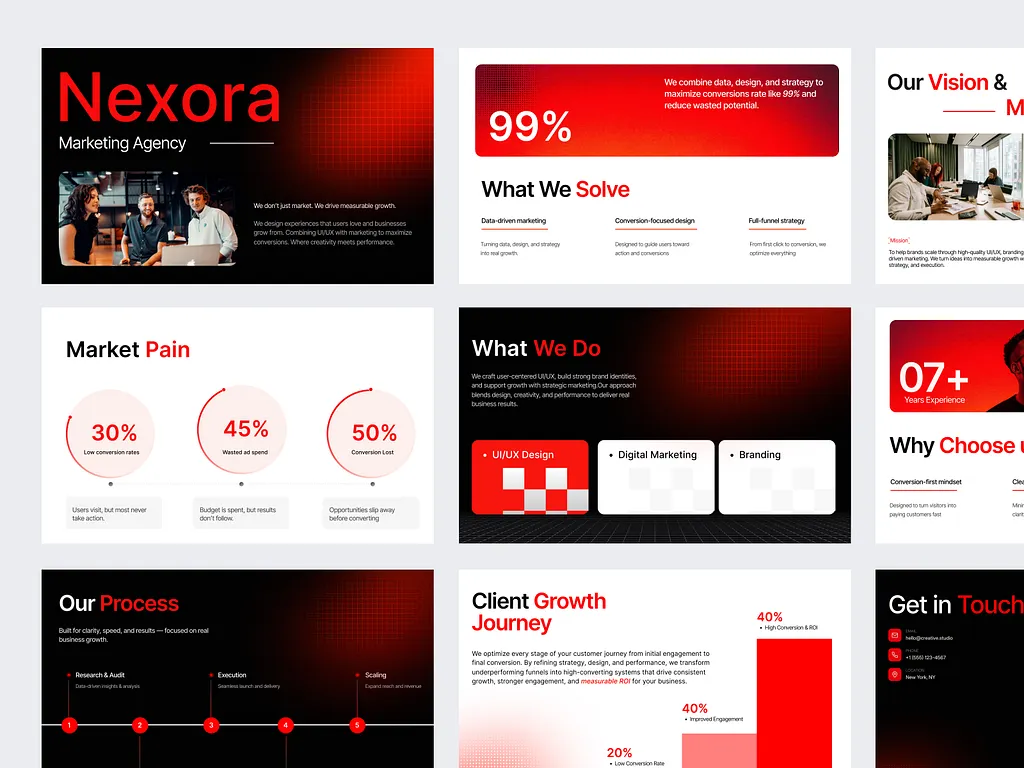
Social Media Ad Creative That Supports Campaigns
Move from isolated posts to a campaign system that can produce, test and learn without weakening the brand.
Read guide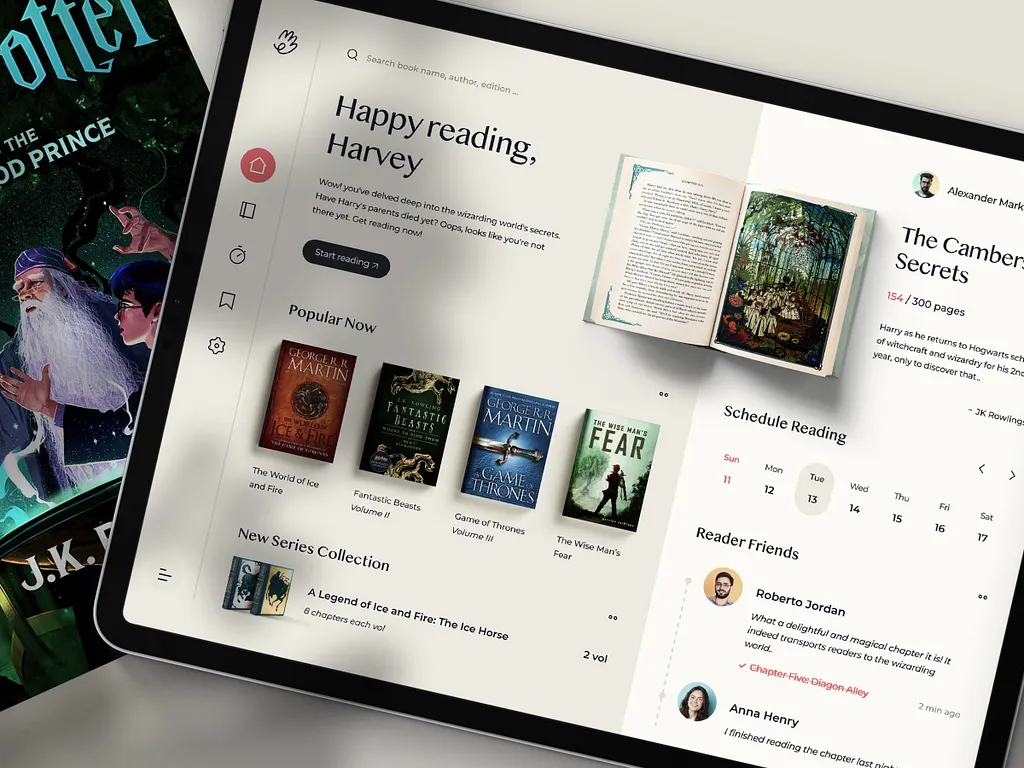
Presentation, Report and eBook Design That Gets Read
A content-first workflow for making dense information useful, credible and visually coherent across screen and print.
Read guide
High-Converting Web Design: From Brief to Launch
A conversion-focused web-design process grounded in user decisions, useful content and production performance.
Read guideFrom idea to delivery